Mr. Utterson
Mr. Gabriel John Utterson, the lawyer, is the narrative's principal point of view and its moral compass, a man whose austere exterior and deep, unspoken humanity make him the last good influence in the lives of downgoing men. He is introduced as a figure of rugged countenance never lighted by a smile, cold and scanty in discourse, yet somehow lovable; his friendship, like ivy, is the growth of time, and his tolerance for others is so broad that he famously inclines to "Cain's heresy," letting his brother go to the devil in his own way. This character, at once dry and profoundly loyal, is the one through whom the reader first encounters the mystery of Edward Hyde and the strange will of Henry Jekyll, and it is his methodical, haunted pursuit that gives the novel its detective-story structure.
Identity and Background
Utterson is a lawyer of Gaunt Street, a bachelor who lives in a house convenient to a neighbouring church whose bells mark his sober, grateful bedtime at midnight. He is austere with himself, drinking gin when alone to mortify a taste for vintages, and though he enjoys the theatre, he has not crossed the doors of one for twenty years. His friendships are those of his own blood or those he has known the longest; his bond with his distant kinsman, the well-known man about town Mr. Richard Enfield, is a nut to crack for many, yet the two put the greatest store by their Sunday walks, counting them the chief jewel of each week. Utterson's professional life is marked by a love of the sane and customary, and the fanciful strikes him as immodest; this disposition makes Dr. Jekyll's will, with its bizarre provision for Edward Hyde in case of Jekyll's disappearance, a long-standing eyesore that offends him both as a lawyer and as a lover of life's ordinary decencies.
Arc Through the Plot
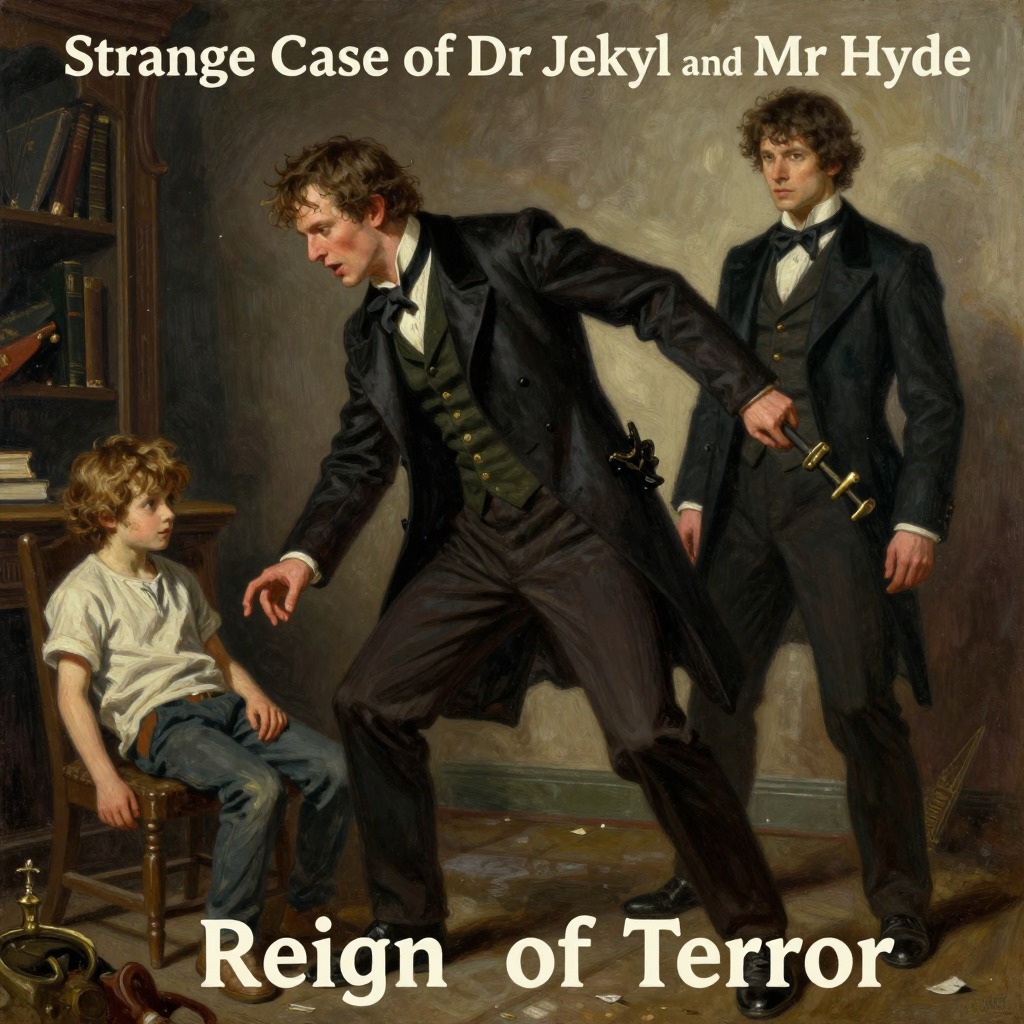
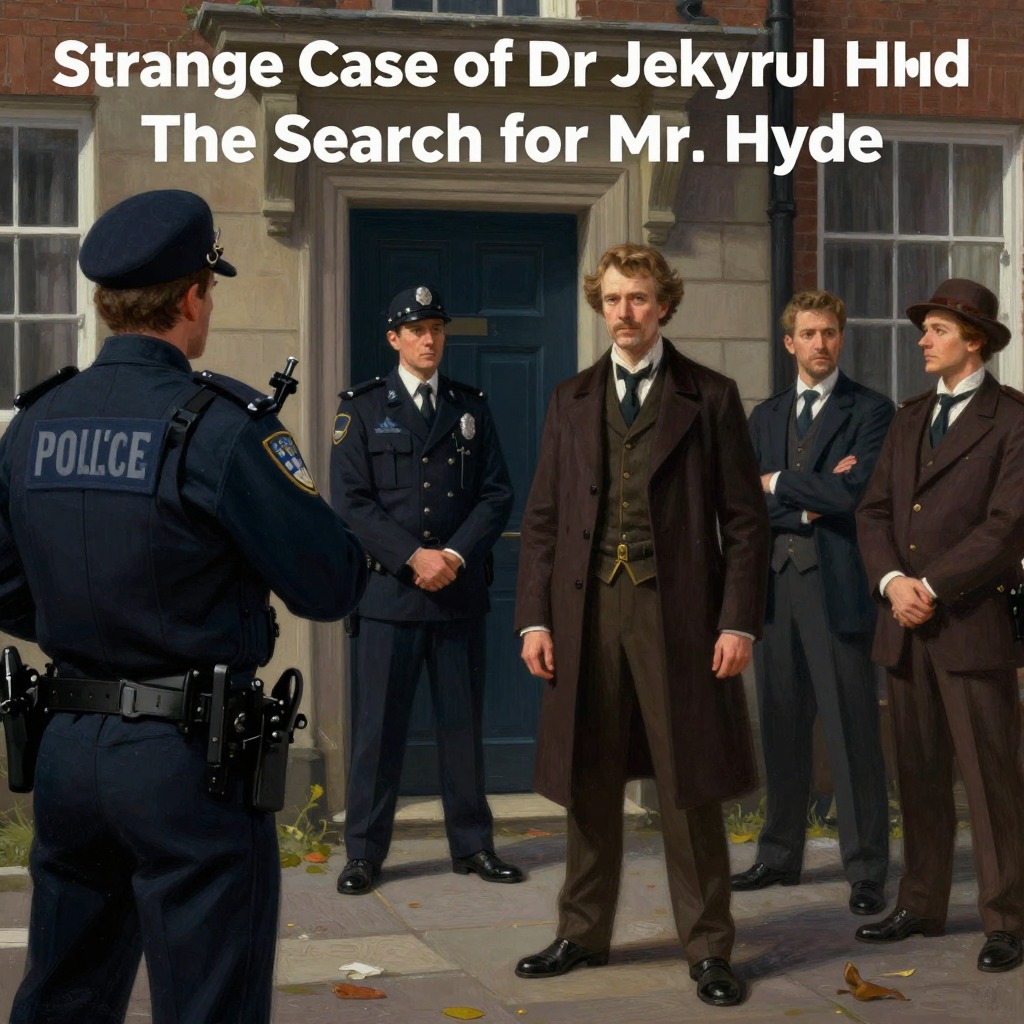
Utterson's role is that of the persistent investigator. After hearing Enfield's story of the child trampling, he is haunted by a singularly strong curiosity to behold the features of the real Mr. Hyde, and he begins to haunt the door in the by-street of shops at all hours, telling himself, "If he be Mr. Hyde, I shall be Mr. Seek." His patience is rewarded when he confronts Hyde, and the encounter leaves him with a profound, nameless disgust, a sense that the man seems hardly human, and he reads "Satan's signature" on Hyde's face. He then presses Jekyll about the will, receiving only evasive reassurances and a promise that Jekyll can be rid of Hyde whenever he chooses. After the murder of Sir Danvers Carew, Utterson identifies the victim and leads the police to Hyde's Soho rooms, where he finds evidence of a hasty flight. He later discovers, through his clerk Mr. Guest, that Hyde's handwriting bears a singular resemblance to Jekyll's, a revelation that chills his blood. He watches as Jekyll withdraws into seclusion, Lanyon dies of a shock he refuses to explain, and the doctor's behaviour grows ever more erratic. On a Sunday walk with Enfield, he sees Jekyll at a window, only to witness a look of abject terror that freezes the blood of both men. Finally, when Poole comes to him in fear, Utterson agrees to break into the cabinet, leading to the discovery of Hyde's corpse and the documents that finally explain the mystery.
Relationships and Conflict
Utterson's relationships are the engine of the plot. He is the trusted friend of Henry Jekyll, who calls him "my good Utterson" and extracts a promise to help Hyde after Jekyll is gone. He is the old friend and schoolmate of Dr. Hastie Lanyon, whom he visits after Jekyll's seclusion begins, only to find Lanyon a doomed man who refuses to speak of Jekyll and later leaves a sealed packet to be opened only upon Jekyll's death or disappearance. He is the confidant of Poole, the butler, who comes to him in desperation and whose testimony about the masked creature in the cabinet convinces Utterson that murder has been done. He is also the kinsman and walking companion of Enfield, whose tale of the child trampling first sets the mystery in motion. His conflict is internal: a struggle between his professional honour, his loyalty to his friends, and his growing horror at what he suspects. He is a man who keeps his own counsel, but his mind is besieged by questions, and he tosses to and fro in the gross darkness of the night, haunted by the image of a faceless figure crushing children.
Change and Ending
Utterson undergoes a subtle but profound change. From a man of settled, undemonstrative habits, he becomes a creature of anxious vigilance, his sleep troubled, his spirits heavy. He is relieved when Hyde disappears after the murder, but the subsequent events—Jekyll's relapse, Lanyon's death, the sealed packet—renew his dread. He becomes so used to the unvarying reports of Jekyll's seclusion that he falls off in the frequency of his visits, and he is perhaps relieved to be denied admittance. In the final night, he arms himself with a kitchen poker and leads the assault on the cabinet door, his voice crying out for Jekyll and then, upon hearing Hyde's voice, commanding Poole to break it down. After finding Hyde's body and the documents, he reads Jekyll's full statement, and the mystery is at last explained. His final act is to lock the documents in his safe, having seen the full horror of his friend's double life.
Thematic Significance
Utterson embodies the Victorian ideal of the rational, respectable gentleman who confronts the irrational and the monstrous. His methodical investigation, his reliance on evidence and testimony, and his ultimate inability to prevent the tragedy all underscore the novel's themes of the limits of reason and the inescapable duality of human nature. He is the representative of the sane, customary world that is shattered by the revelation of Hyde, and his quiet endurance—his ability to continue walking and talking after witnessing the unspeakable—makes him a figure of stoic resilience. His character also illustrates the novel's detective-story structure: he is the reader's surrogate, gathering clues, forming suspicions, and finally learning the truth, but he is also a man whose own moral certainties are shaken, and who must live with the knowledge of what his friend became.